The Osa Peninsula, Costa Rica
One of the most biologically rich and photographically compelling places on Earth.
Why the Osa Matters
A place where biodiversity feels immediate.
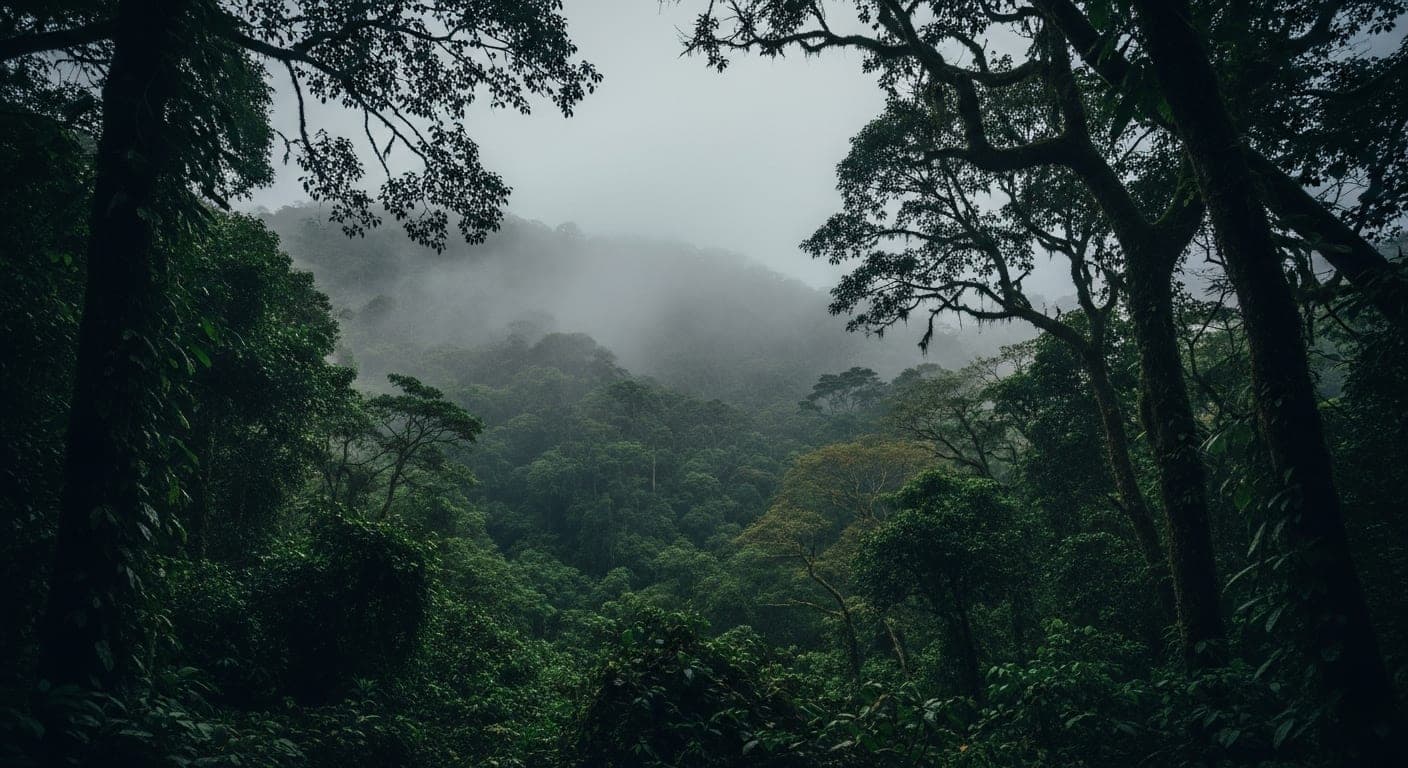
The Osa Peninsula is one of the rare places in the world where biodiversity is not just something you read about — it is something you feel almost immediately. Rainforest, mangroves, rivers, coastline, offshore waters, and mountain ridges all come together here in a relatively small part of southern Costa Rica, creating an extraordinary concentration of life.
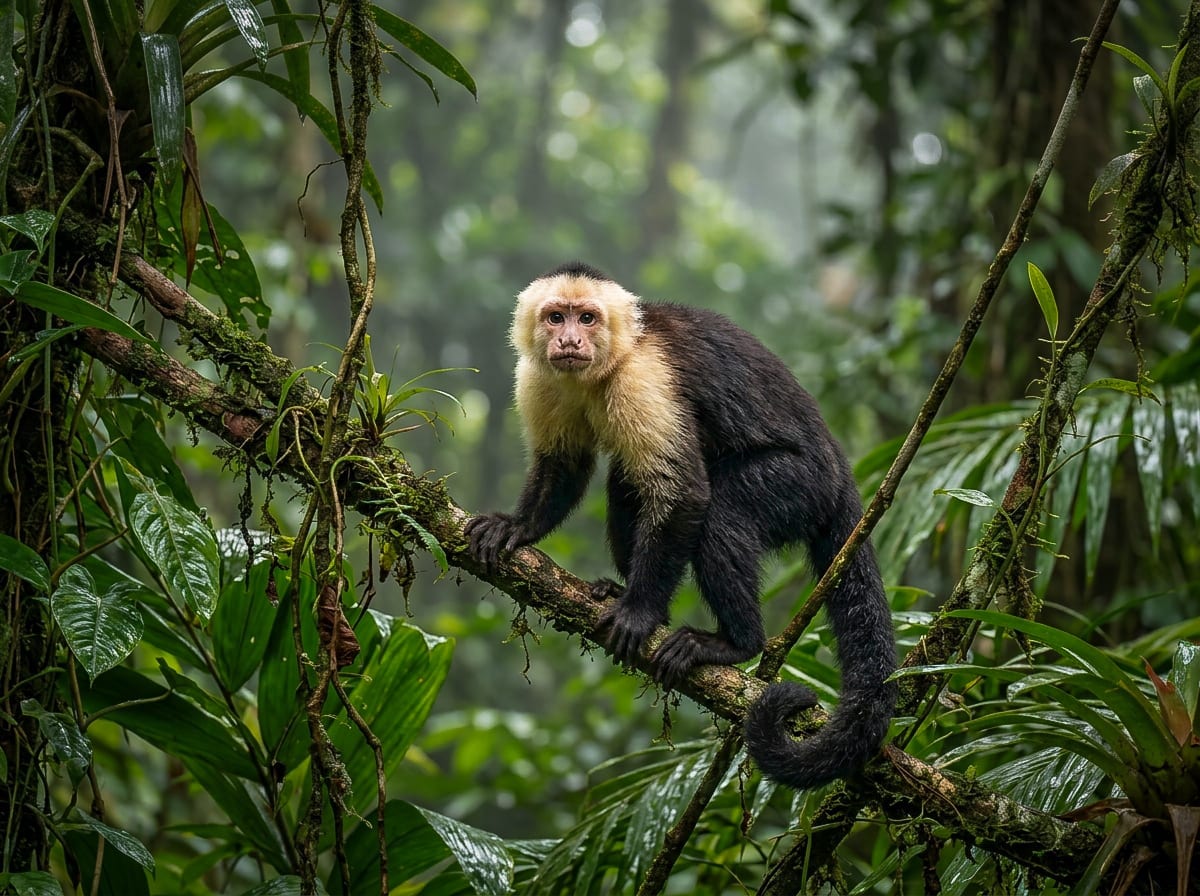
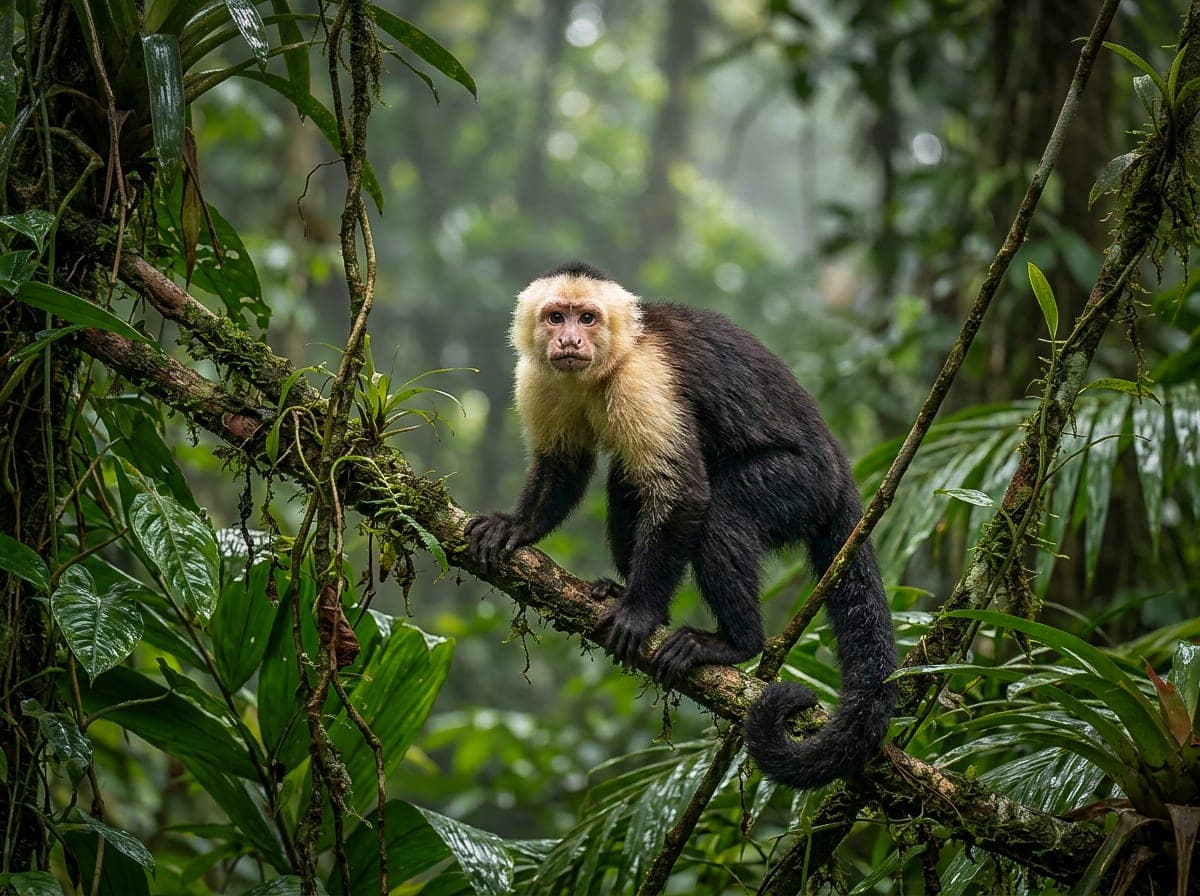
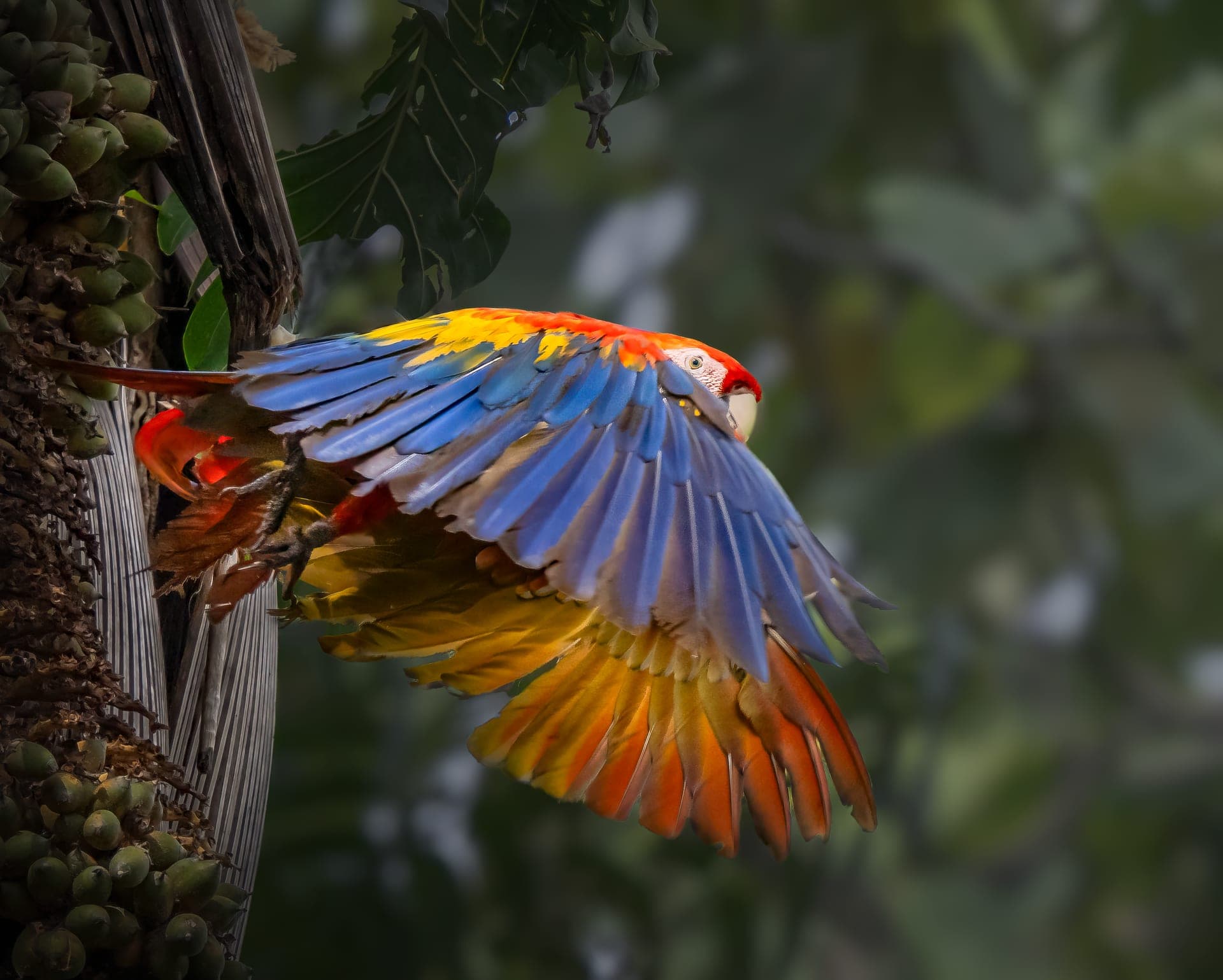
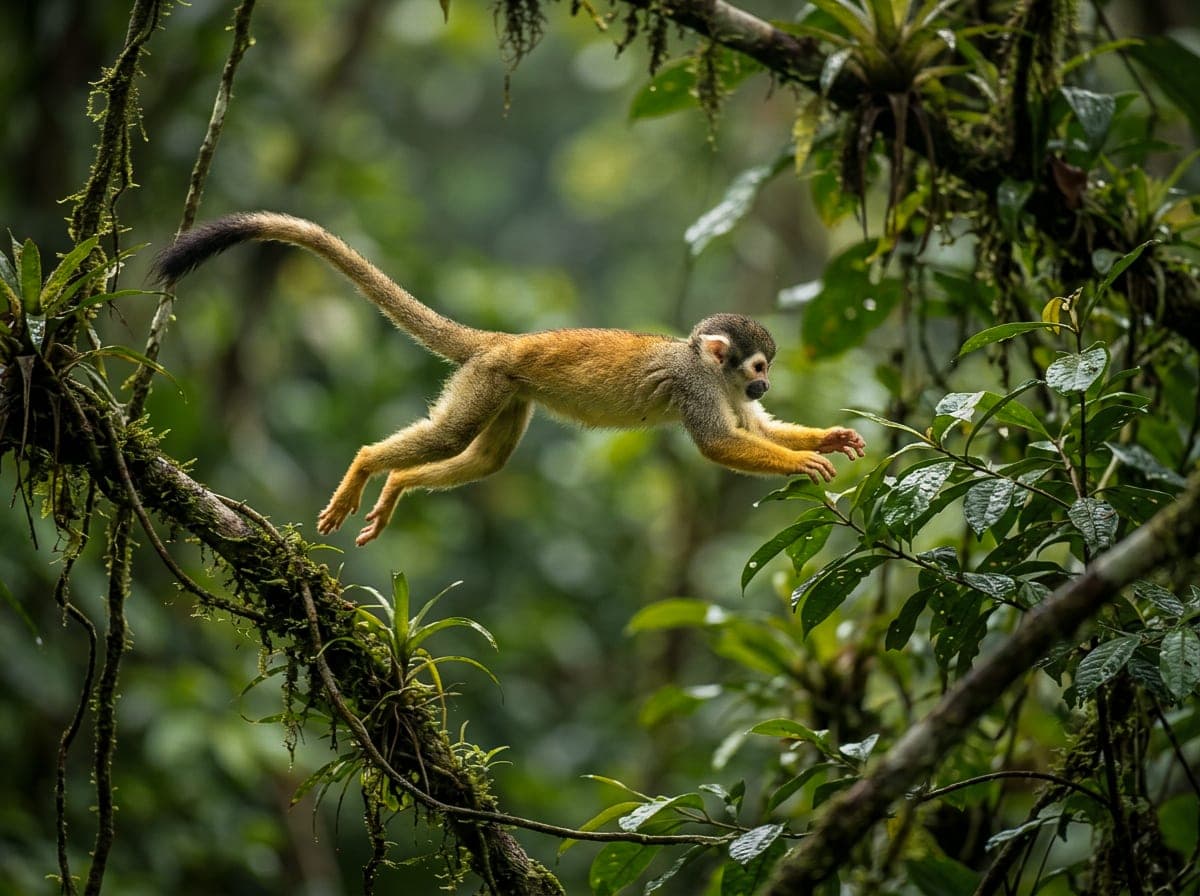
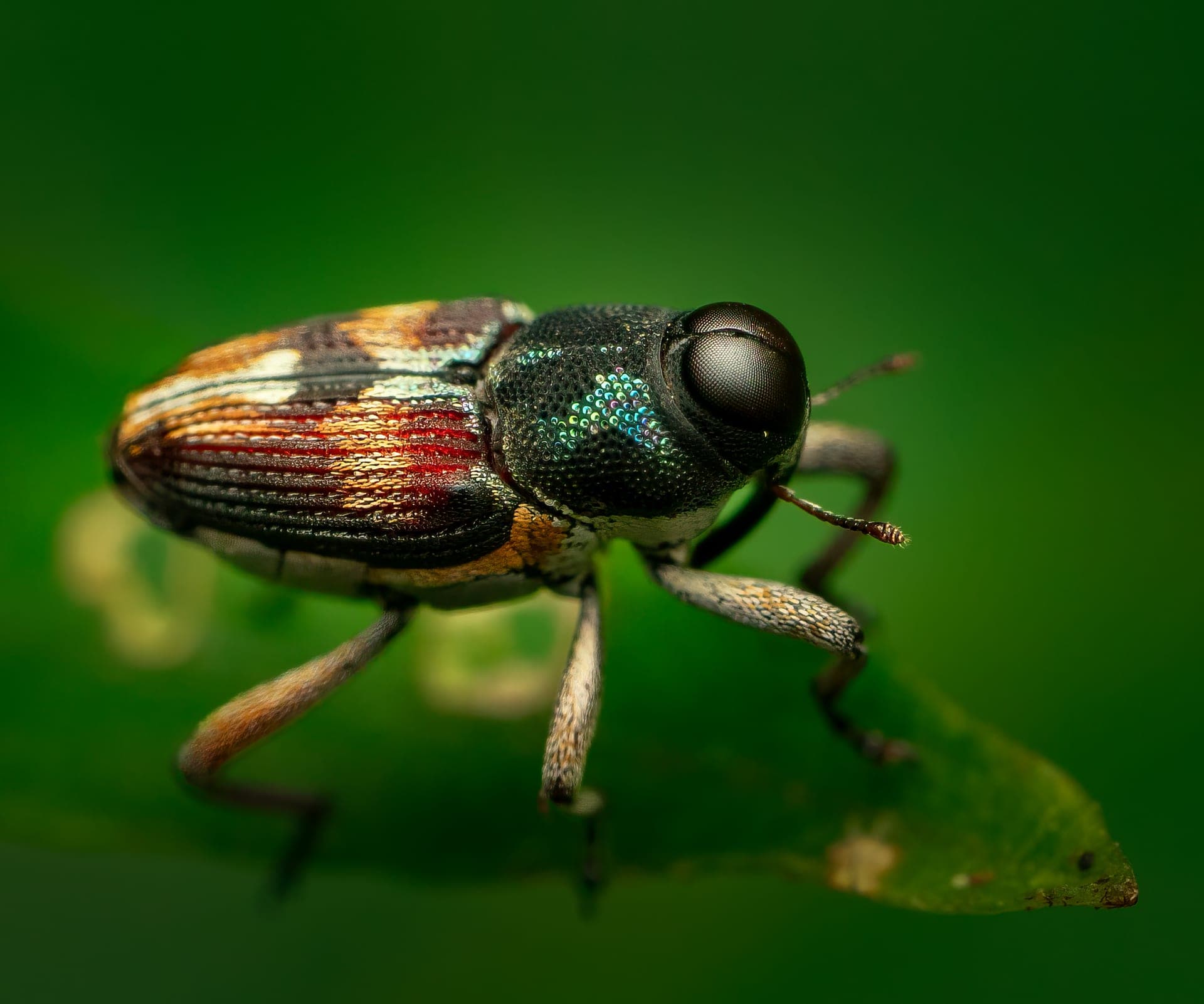
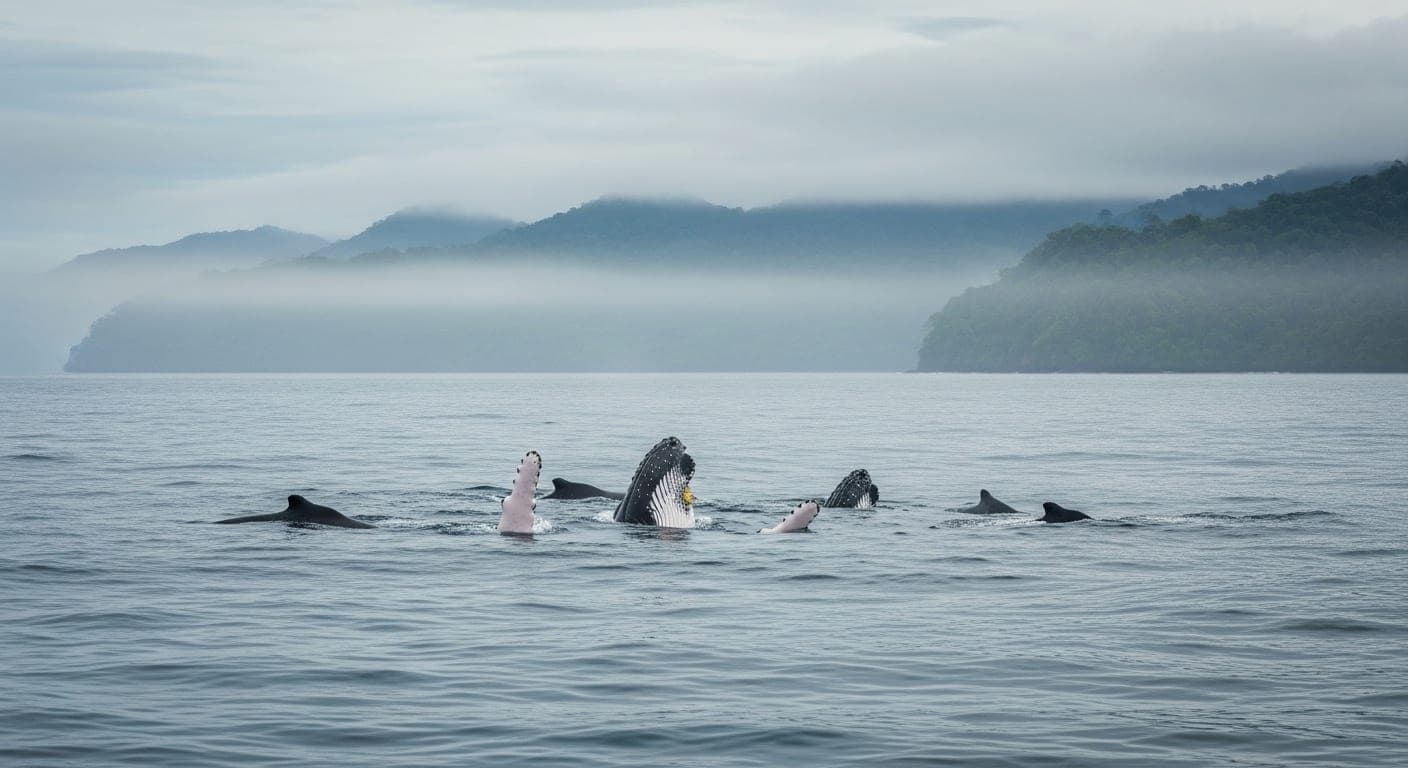
The region is often cited as holding around 2.5% of the world's biodiversity. Whether the number is what stays with you or not, the feeling certainly does. Scarlet macaws move across the canopy. Monkeys travel the forest edge. Reptiles, amphibians, and insects fill the understory. Offshore, dolphins and humpback whales add an entirely different dimension to the landscape.
This is why the Osa Peninsula is so important not only to biologists and conservationists, but to photographers. Wildlife in the Osa Peninsula is not confined to one habitat or one kind of encounter. It is layered, active, and constantly shifting, which is exactly what makes it so rewarding to photograph.
“The Osa is often described as the most biologically intense place on Earth — and once you spend time here, the phrase starts to make sense.”
Corcovado National Park
At the heart of the peninsula is Corcovado National Park, one of the most important protected areas in Costa Rica and one of the main reasons the Osa remains so exceptional. Corcovado protects a vast stretch of lowland tropical rainforest and helps preserve the ecological integrity that defines the region as a whole.
Corcovado National Park matters for more than its reputation. It protects the scale of habitat, species richness, and wildness that make the Osa Peninsula so powerful for wildlife photography. For anyone searching for Corcovado National Park wildlife or trying to understand what makes this part of Costa Rica so special, Corcovado is central to the answer.
Why the Osa Feels Different
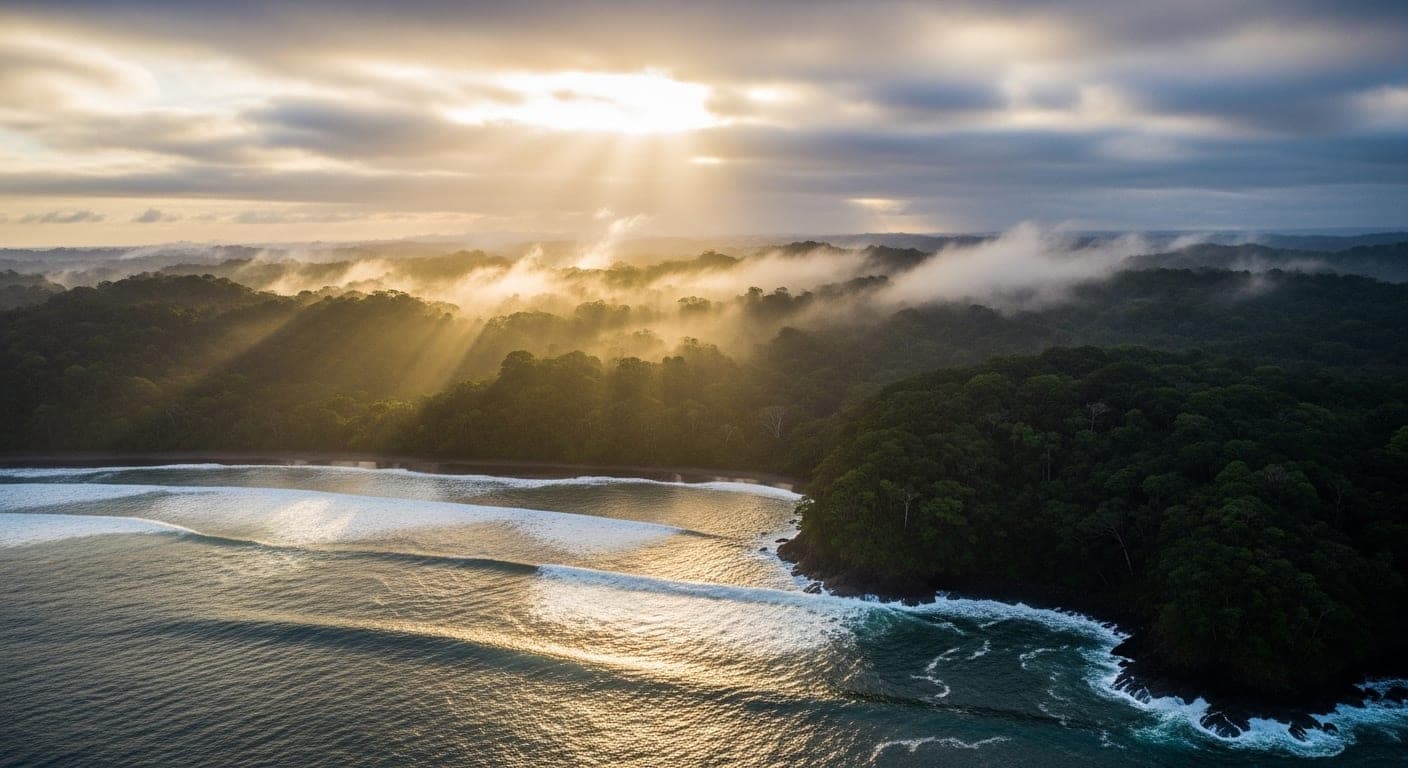
What makes the Osa Peninsula stand apart is not just the number of species found here, but the density and variety of environments packed into one region. Primary rainforest gives way to mangrove systems, river corridors, beaches, coastal forest, and marine environments where entirely different photographic opportunities begin to emerge.
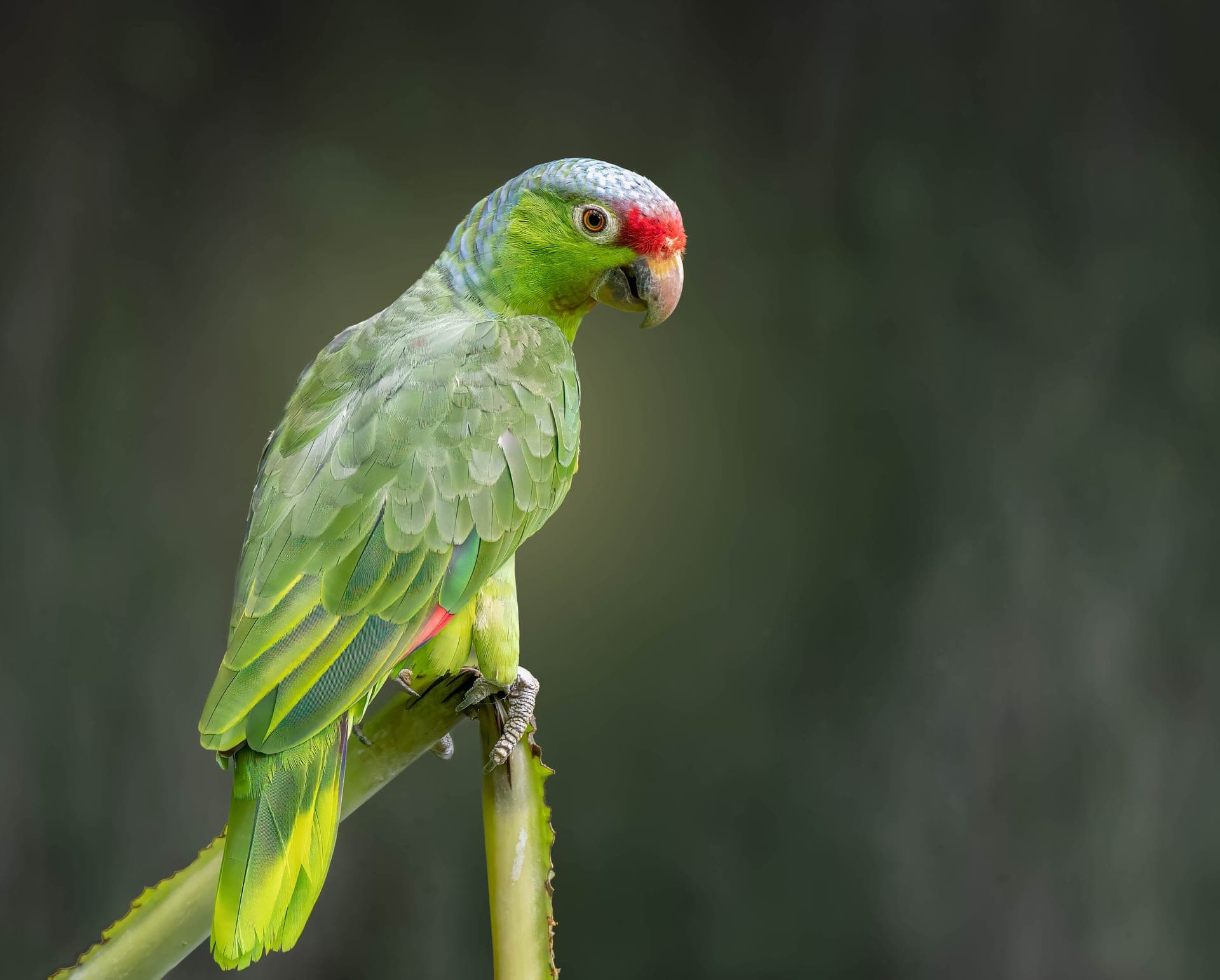
That range changes the experience in the field. A single day can hold rainforest birds in soft early light, monkeys moving through the canopy, reptiles in wet understory habitat, and marine life offshore. Few places offer this kind of ecological range in such close reach, which is one reason the Osa has become so important for wildlife photography in Costa Rica.
A Place That Rewards Patience
The Osa does not give everything away at once. That is part of what makes it so compelling. Conditions change quickly. Weather moves through fast. Animals appear and disappear. Light shifts constantly in the rainforest.
For photographers, that means the Osa keeps asking for more: more patience, more awareness, more restraint, and a better sense of timing. But that is also what makes the work here feel deeper. This is not a place that hands you easy images. It is a place that rewards attention.
A Category of Its Own
For anyone interested in the biodiversity of the Osa Peninsula, Corcovado National Park, or wildlife photography in Costa Rica, this region stands in a category of its own.